Supplement science, explained plainly.
Evidence-based guides, research reviews, and practical advice on supplements, vitamins, and nutrition — backed by PubMed studies.

Does Biotin Affect Blood Tests? How a Hair Vitamin Can Throw Off Your Results
Does biotin affect blood tests? It can: high-dose biotin from hair, skin and nail supplements can make some lab tests read falsely high or low, including thyroid and heart tests. Here's which tests are affected, what doses were studied, and what to tell your doctor before a blood draw.

Do You Need Electrolyte Supplements? When Water Is Enough and When It Isn't
Do you need electrolyte supplements, or is water enough? For most people on most days, food and water cover it, but long sweaty workouts and bouts of diarrhea or vomiting are different. Here's what the research shows, and who should check with a doctor first.

Should You Take Vitamin K2 With D3? What the Trials Actually Show
Should you take vitamin K2 with D3? The pairing makes biological sense, but trials haven't shown that adding K2 to D3 means fewer fractures or heart attacks. Here's what the studies found, who should skip K2, and when D3 on its own is enough.
Do Lutein and Zeaxanthin Supplements Protect Your Eyes? What the Big Eye Trials Found
Lutein and zeaxanthin are sold for eye health, but the big trials tell a narrower story: in intermediate macular degeneration, they're part of the AREDS2 eye-vitamin formula, an update of the original eye vitamins that probably lower the risk of advanced AMD. They haven't been shown to prevent eye disease in people with healthy eyes.
What Makes the Best Prenatal Vitamin? 6 Label Checks That Matter More Than the Brand
Looking for the best prenatal vitamins? Research suggests the best one has 400 to 800 mcg of folic acid, 150 mcg of iodine, iron at the pregnancy amount and little or no preformed vitamin A. Here is what the evidence supports and what many brands leave out.
Is Berberine Really "Nature's Metformin"? What the Trials Actually Show
Berberine vs metformin: is the supplement really "nature's metformin"? In mostly small, short trials of people with type 2 diabetes, berberine lowered blood sugar, but metformin has decades of long-term data behind it. Here is what the evidence shows and who should skip berberine.
Do Weight-Loss Supplements Actually Work? What a Review of 315 Trials Found
Looking for supplements for weight loss that actually work? A review of 315 trials found few rigorous studies, and popular picks like garcinia and chromium beat placebo by about 2 pounds or less on average. Here is what the research shows, the safety risks, and what works instead.
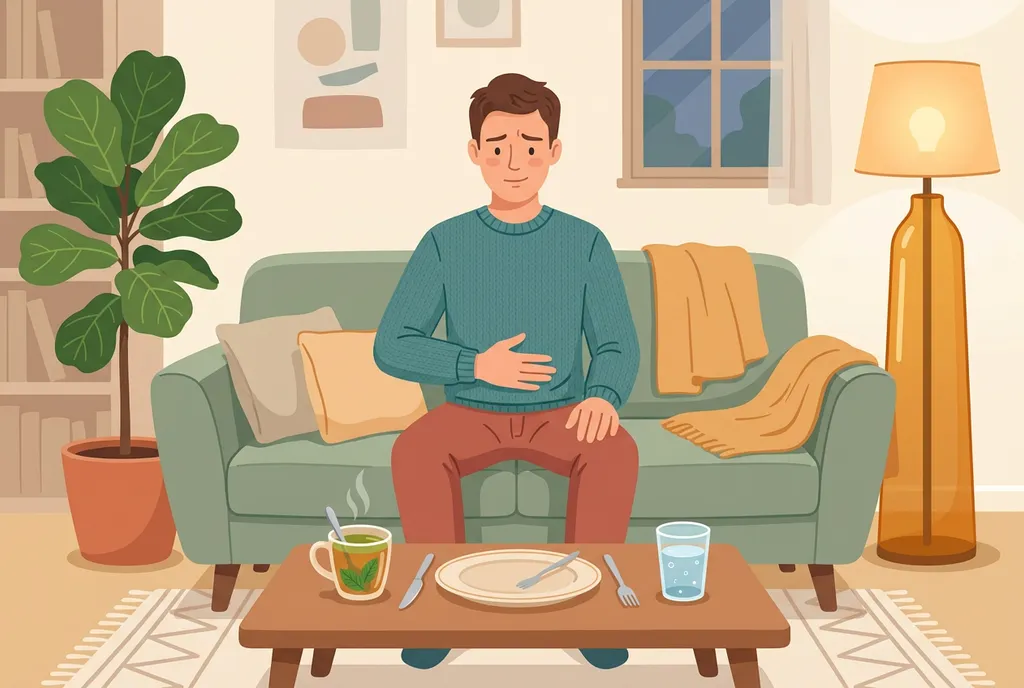
Bloated and Crampy? What the Evidence Says About IBS Supplements
Looking for supplements for IBS bloating and cramps? Guidelines back psyllium fiber for overall IBS symptoms and give peppermint oil only a conditional, low-certainty nod, neither for bloating alone, while probiotics are a maybe at best. Here is what the trials show, the doses they used, and when to see a doctor first.
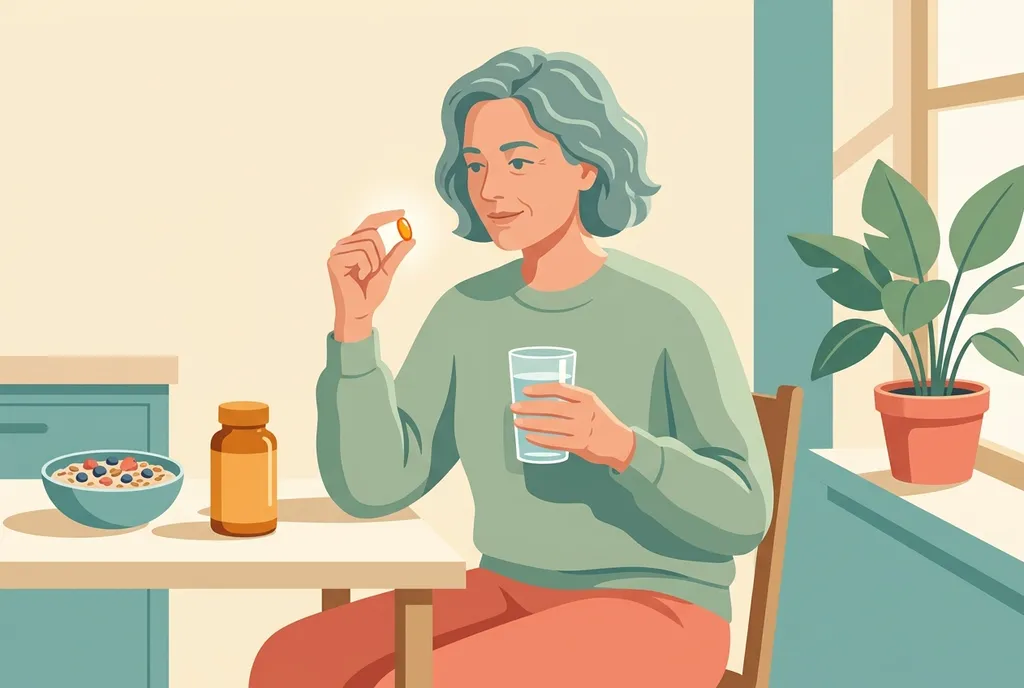
Who Should Actually Take CoQ10? What the Research Says About Statins, Hearts and Migraines
CoQ10 benefits show promise for a few groups and are oversold for most. This evidence-based review covers who should consider taking it, from statin users to people with heart failure or migraines, the doses trials used, and when to talk to your doctor first.

Can You Actually Boost Your Immune System? What the Trials Say About the 4 Most Popular Supplements (and Their Limits)
Looking for the best supplements to boost your immune system before cold season? This evidence-based review sorts vitamin C, probiotics, zinc and vitamin D by what the trials actually show, the doses studied, the safe upper limits, and who is most likely to benefit.

L-Theanine vs Magnesium for Sleep: Which One Fits Your Kind of Bad Night?
L-theanine vs magnesium for sleep comes down to why you are still awake: a mind that will not switch off, or a diet running low on a key mineral. This evidence-based review weighs the newest research on both, the doses actually tested, and when neither is the answer.

Vitamins With Food or on an Empty Stomach? The Timing Rules That Change What You Absorb
Taking vitamin D with a meal that contains fat raised blood levels of the vitamin by about a third in one study. This guide sorts which nutrients need fat, which prefer an empty stomach, and which just need food to spare your stomach - with a simple timing cheat sheet.

Brittle, Ridged, or Peeling Nails? What Your Nails Can (and Can't) Tell You About Nutrients
Splitting, peeling, and dry nails are usually what water and dish soap do to keratin, but a few nail changes, like spoon-shaped nails, can point to a nutrient problem. This evidence-based guide covers which nail clues are worth a blood test, what the small biotin studies really show, and what no capsule will fix.

Does Coffee Block Your Supplements? What Caffeine Does to Iron, Calcium, and Your Multivitamin
Taking iron with your morning coffee can cut how much you absorb by roughly 40 to 60 percent or more in meal studies. Most other supplements are barely affected. This evidence-based guide covers which supplements coffee interferes with, which ones it leaves alone, and the simple timing fix.

Itchy Skin But No Rash? The Nutrient Tests Worth Asking About
An itch that crawls under your skin with no rash is easy to dismiss, but it is sometimes linked to a measurable nutrient gap, and low iron is the best-documented one. This guide covers which blood tests to ask your doctor about, what the evidence does and doesn't show, and how a confirmed deficiency is usually treated.

Best Iron Supplement That Won't Upset Your Stomach: Gentler Forms and Dosing Options
Iron pills leaving you nauseated and constipated? The best iron supplement that won't upset your stomach is often a matter of form and timing. This evidence-based guide covers ferrous bisglycinate, alternate-day dosing, what the trials actually tested, and what to discuss with your doctor.
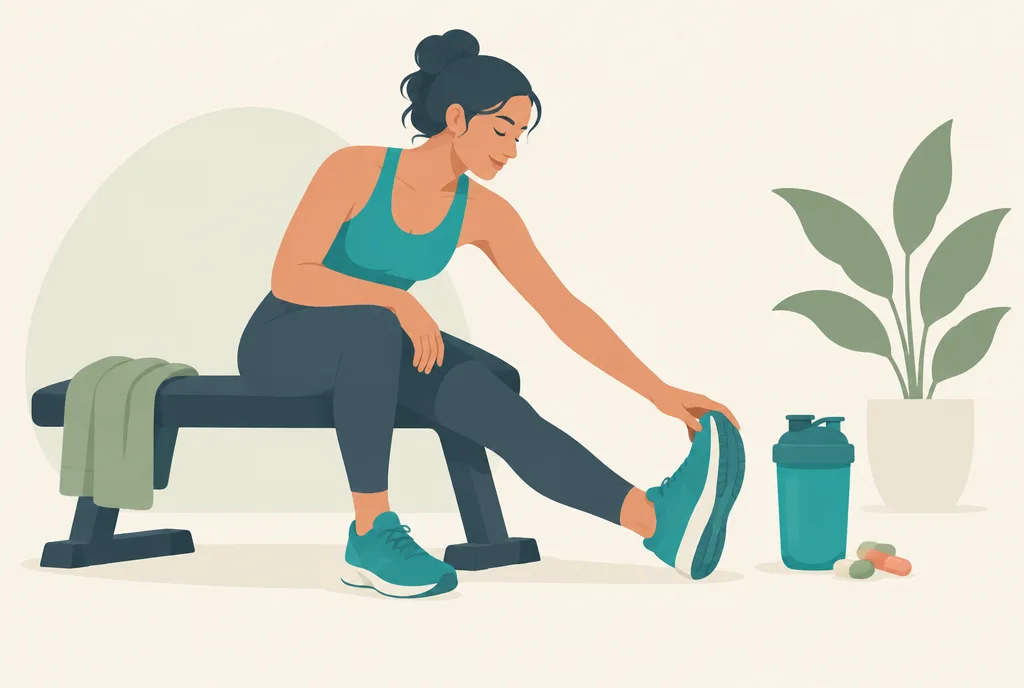
Best Supplements for Muscle Recovery After a Workout: What the Research Actually Supports
Sore for three days after leg day? This evidence-based guide sorts the supplements most often sold for muscle recovery — protein, creatine, omega-3, tart cherry, and curcumin — by what the research actually measured, with studied doses, timing, safety notes, and honest evidence grades.

Vitamin B12 Deficiency Symptoms and Supplements: The Tingling, Fatigue, and Brain Fog You Keep Blaming on Everything Else
Vitamin B12 deficiency can hide behind ordinary tiredness until nerve symptoms start — and some nerve damage can become permanent if it goes untreated. This evidence-based guide covers the real symptoms, who is at risk, how it is diagnosed, when you need a doctor rather than a supplement, and which B12 form and dose the evidence supports.

Turmeric vs Curcumin Supplement: What You Are Actually Paying For (2026 Evidence Review)
Turmeric and curcumin are not the same thing, and the difference largely decides how much active compound you actually get. We break down the turmeric vs curcumin supplement question — bioavailability, the doses used in trials, which conditions the research actually supports (and how weak some of that evidence is), and the liver-safety news you need before you buy.

Supplements for Menopause Symptoms: What the Evidence Actually Supports in 2026
A no-hype, evidence-graded guide to supplements for menopause symptoms — hot flashes, sleep, mood, and bones. We look at what the trials actually show for soy isoflavones, ERr 731, black cohosh, melatonin, magnesium, vitamin D, calcium, and K2, why The Menopause Society does not recommend supplements for hot flashes, and which proven options to ask your clinician about first.
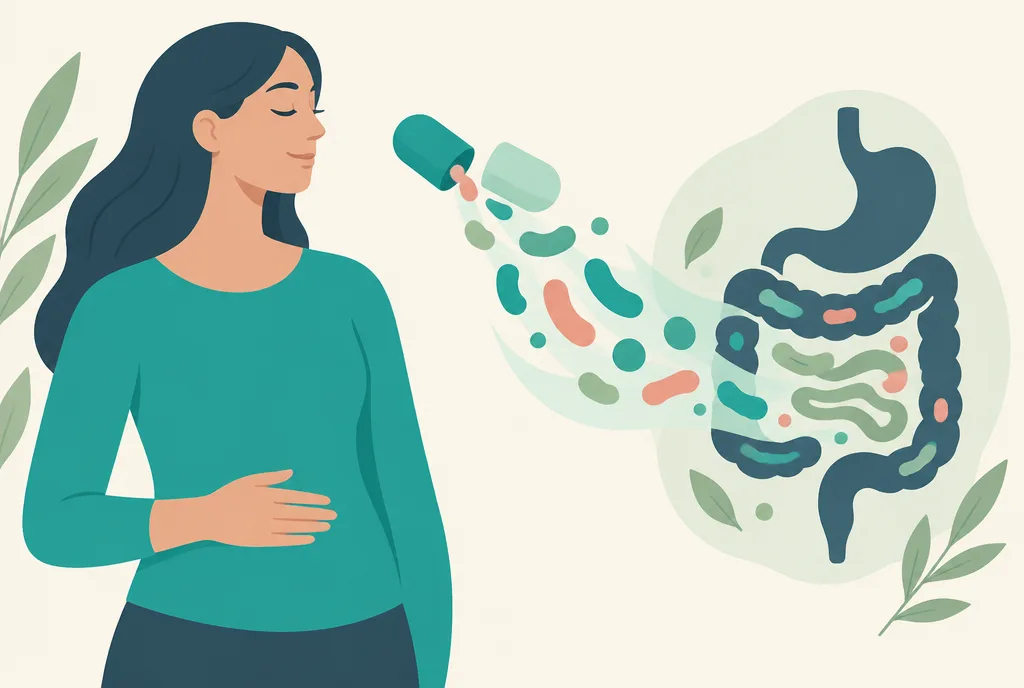
Best Probiotics for Bloating? What the Strain-Specific Evidence Actually Shows (2026 Review)
Most probiotics have no specific trial evidence for bloating, and even the best-studied strains help IBS pain more reliably than bloating itself. We go through the strains with real trial data (B. longum 35624, L. plantarum 299v, B. lactis HN019, NCFM + Bi-07), what the guidelines say, the doses that were actually tested, and who should skip probiotics entirely.

Hair Shedding in Women: What Actually Helps, and Why Supplements Rarely Do
Most hair loss in women comes from genetics or a recent trigger such as illness, childbirth or stress, not a missing vitamin. We check the evidence for iron, zinc, vitamin D, biotin and other popular hair supplements, explain why none is proven to regrow hair, and cover what helps instead: testing for real deficiencies, enough protein, time, and minoxidil for pattern thinning.
Ashwagandha vs Rhodiola for Stress: How They Compare (2026 Evidence Review)
Ashwagandha and Rhodiola rosea are two of the most popular adaptogens for stress, and they are often treated as interchangeable. We look at what the meta-analyses and trials actually show, the doses studied, the safety cautions, and which one may suit anxious stress versus fatigue.
Supplements for Joint Pain Over 50: What the Meta-Analyses Actually Show
Glucosamine, collagen, curcumin, omega-3, Boswellia — the joint supplement aisle is a wall of competing claims. We pulled recent meta-analyses and randomized trials to grade the evidence for knee and hip osteoarthritis after 50, the doses studied, the safety cautions, and why exercise and weight loss still come first.
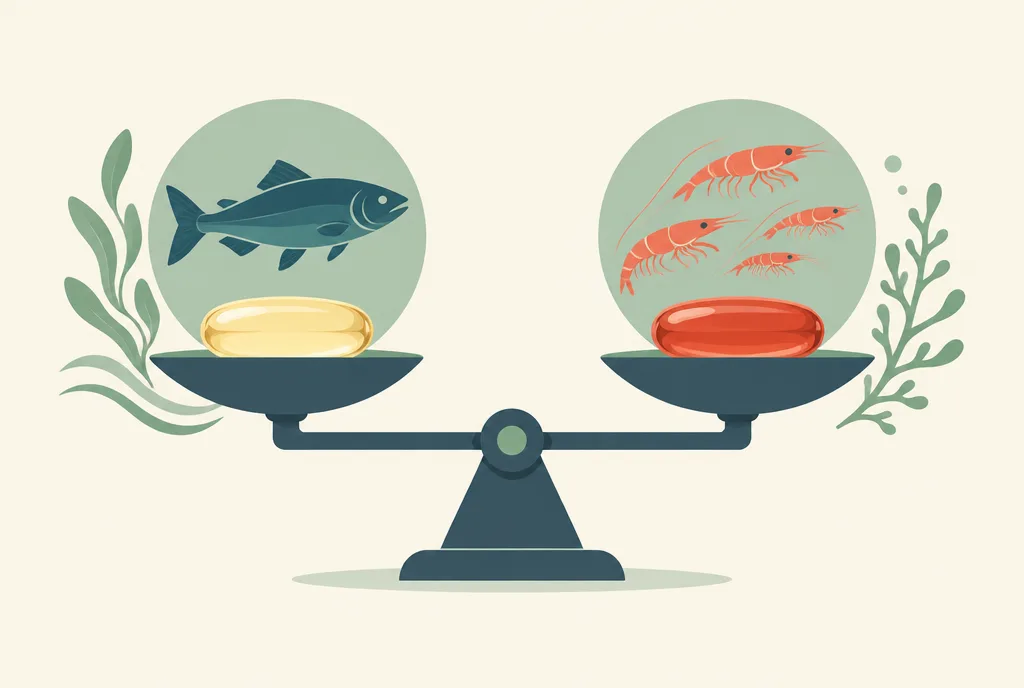
Fish Oil vs Krill Oil: What the 2024 Network Meta-Analyses Actually Show
Krill oil typically costs several times more per gram of EPA+DHA than fish oil, and the marketing pitch is "better absorbed." We looked at the recent network meta-analyses to see whether the absorption story holds up, how the two compare on triglycerides, and what dose makes sense.
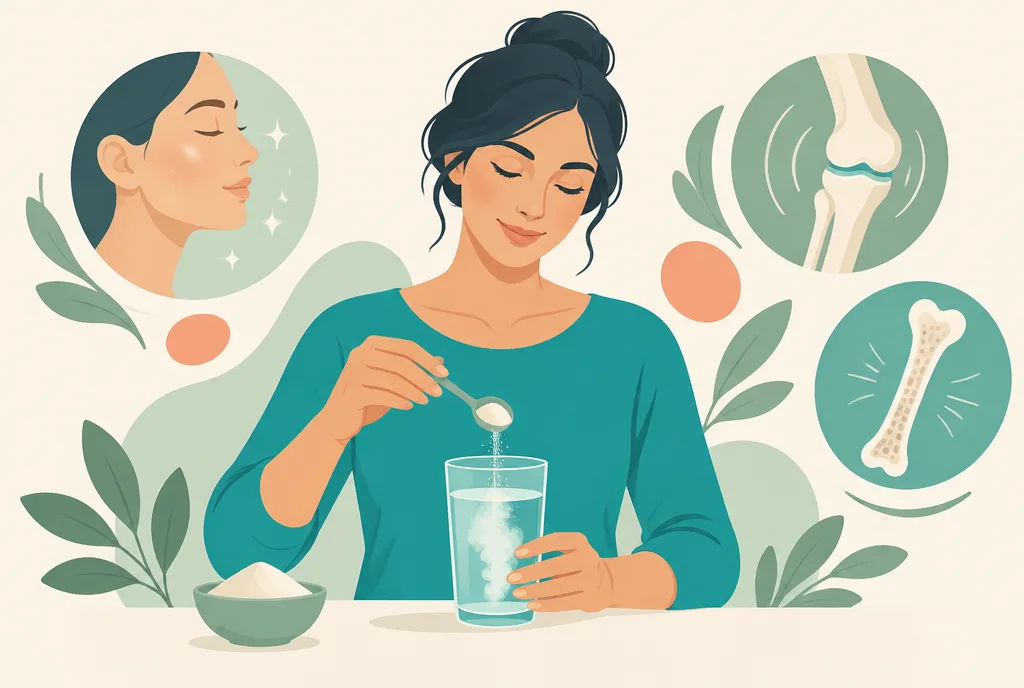
Do Collagen Supplements Actually Work? A 2026 Evidence Review
Collagen powders are a multibillion-dollar category, but the science is messier than the marketing. Here is what recent meta-analyses actually show for skin, joints, hair, and bones — and how to pick a product if you decide to try one.
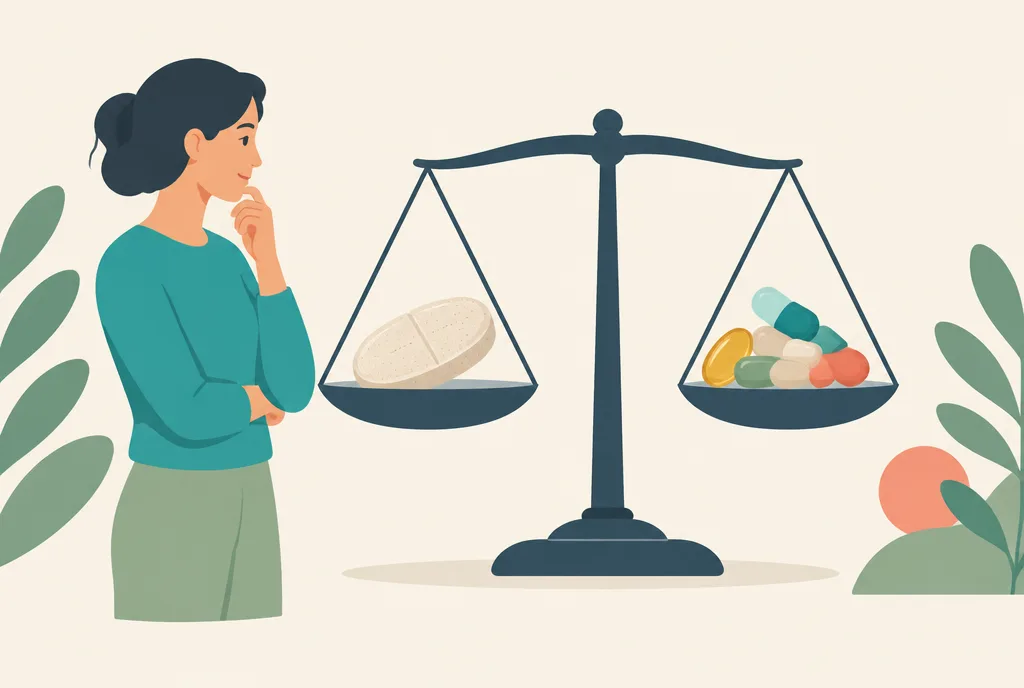
Multivitamin vs. Individual Supplements: When One Pill Is Enough (and When It Isn’t)
A multivitamin is a basic backstop against gaps in your diet; individual supplements target a specific, confirmed need. Here’s what the evidence says about dose, form, absorption and safety — and when a multi makes sense.

Natural Supplements for Anxiety: What the Science Actually Says
Looking for natural supplements for anxiety? This evidence-based guide grades six popular options — ashwagandha, lavender (Silexan), L-theanine, magnesium, passionflower and omega-3s — by the strength of the research, with the doses studied and the safety points to know.
Vitamin D3 vs D2: Which Form Actually Works Better?
Wondering whether to take vitamin D3 or D2? Research shows D3 raises blood vitamin D levels more than D2 — about 40% more in daily-dose trials. This evidence-based guide breaks down the science, sensible doses, and when D2 still makes sense.
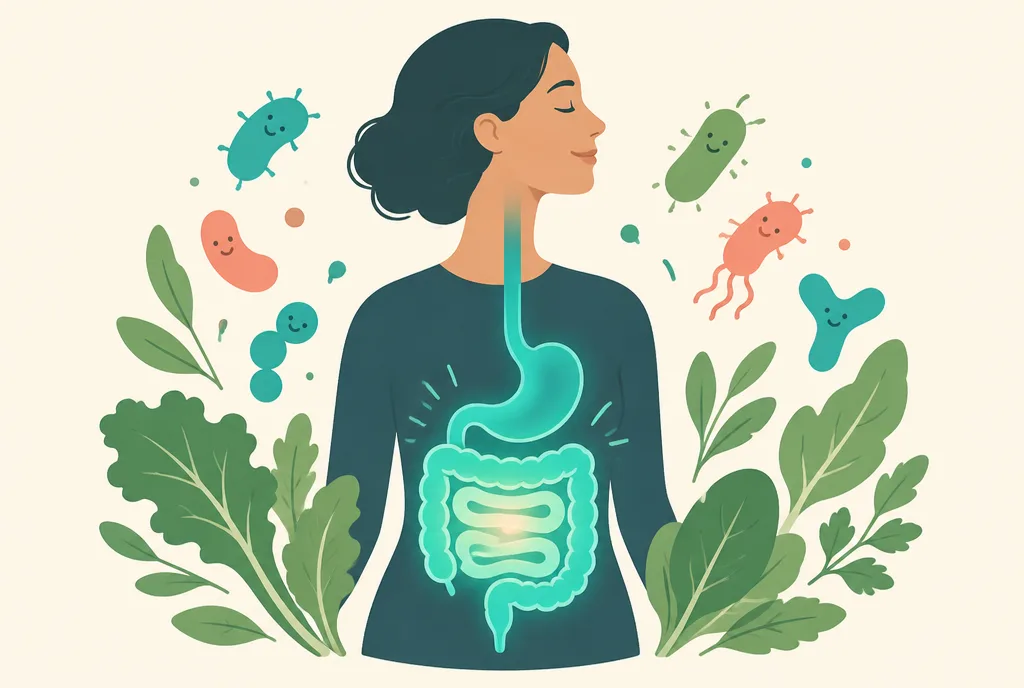
Best Supplements for Gut Health: What the Science Actually Says (2026)
From probiotics to butyrate, here is what the clinical evidence really shows for popular gut health supplements — graded honestly, with the doses studied, who they were studied in, and the safety points to know before you buy.
Zinc vs Magnesium: Which Mineral Do You Actually Need?
Zinc and magnesium do completely different jobs in the body. This research-backed comparison breaks down what each one does, who tends to run low, safe doses and upper limits, and who might consider zinc, magnesium (or both).

Supplements for Runners Over 40: An Evidence-Graded Guide
Running after 40 brings slower recovery, joint wear, and gradual muscle loss. This evidence-graded guide covers which supplements may be worth considering for runners over 40, what the studies actually tested, safe doses, and what to skip.
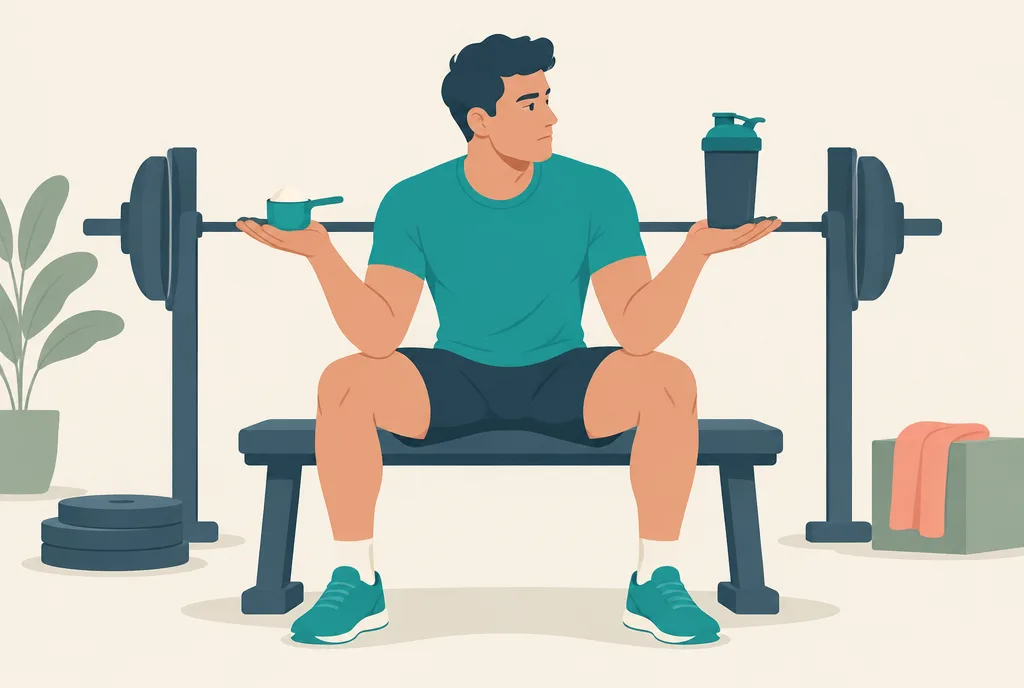
Creatine vs Protein Powder: Which One Is Right for Your Goals?
Creatine and protein powder both support muscle gains — but they work completely differently. This evidence-graded breakdown covers which to prioritize, how to dose each, and why many people take both.

Best Magnesium for Sleep: Forms, Dosage, Timing, and What the Evidence Shows
Not all magnesium supplements are the same. This deep-dive compares magnesium glycinate, L-threonate, citrate, and more for sleep — with safe doses and an honest look at what the clinical trials actually found.
What Supplements Should I Take? A Personalized, Evidence-Based Guide
With thousands of supplements on the market, deciding what to take can be overwhelming. Here's a systematic, evidence-based approach to figuring out what you may actually need.
Supplements for Energy: What Actually Helps When You're Tired (and When Nothing Will)
Most tiredness comes from sleep, stress, mood, and everyday life, not a missing nutrient. This evidence-based guide covers when B12, iron, vitamin D, magnesium, CoQ10, and ashwagandha can actually help, which blood tests to ask about first, and what the studies really show.

Top Supplements for Sleep: What the Science Actually Shows
About one in three US adults regularly sleep less than 7 hours. Here is what clinical trials actually show for popular sleep supplements (modest effects at best), and why CBT-I comes first for chronic insomnia.
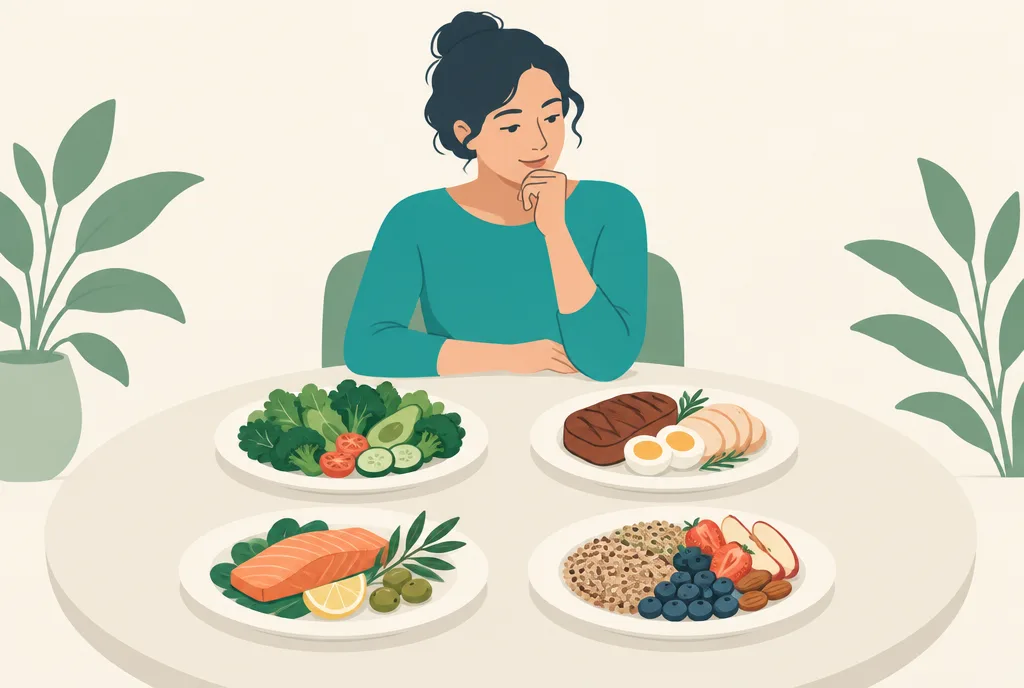
How Your Diet Shapes Your Supplement Needs
Your diet is one of the strongest clues to which nutrients you may be short on, alongside age, medications, health conditions and sun exposure. Here's what each major diet gets right — and where the gaps are.

Vitamin D Deficiency: Signs, Testing, and How to Fix It
Most people get enough vitamin D, but some groups run low without knowing it. Learn the real signs, who is at risk, when testing makes sense, and how much to take safely.

Supplements for Brain Fog: What the Evidence Shows
Brain fog — that feeling of mental cloudiness, slow thinking, and poor concentration — has many possible causes. Here is what the evidence actually shows for the supplements most often suggested for it.

The Science of Personalized Supplements: Why One Size Doesn't Fit All
Why does your friend swear by iron while it does nothing for you? Why do vegans need different supplements than omnivores? Diet, lifestyle, age and genes all shape what you actually need — here's what the science shows.
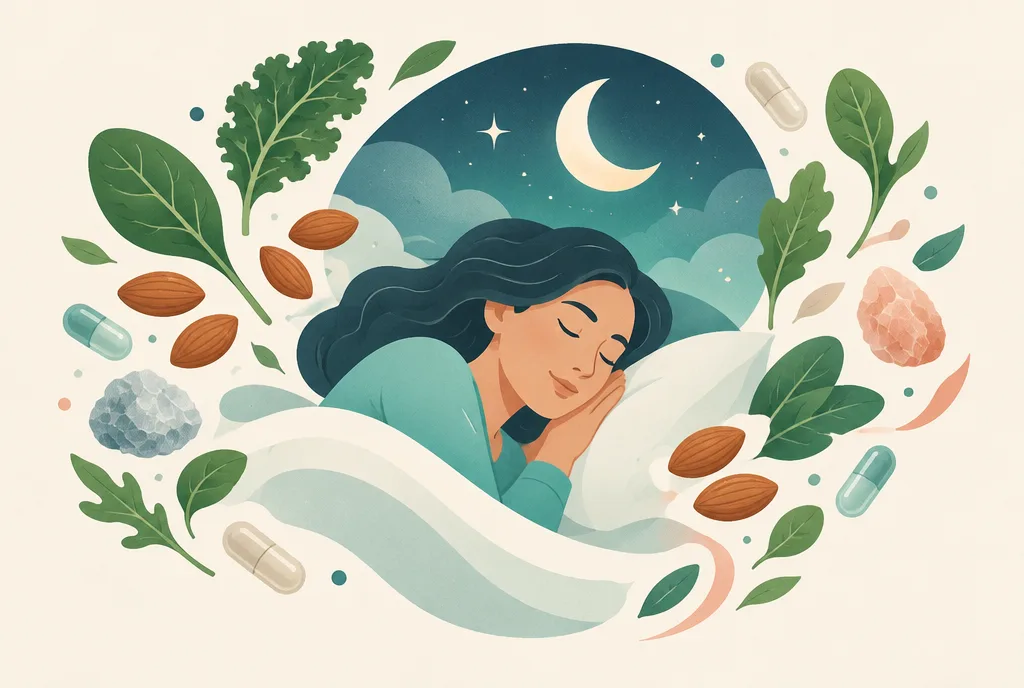
Magnesium Benefits: The Complete Evidence Guide
Magnesium is a cofactor in more than 300 enzyme systems, and it's linked to sleep, stress, blood pressure, blood sugar and migraines. Here's an honest look at how strong the evidence is for each benefit — and how much to take safely.

Vitamin D3: Who Runs Low (And What to Do About It)
Vitamin D acts more like a hormone than a typical vitamin, and about one in four people in the US have levels that are too low or inadequate. Here's the science on who runs low, what blood levels mean, and how to supplement safely.

Magnesium for Sleep, Stress, and Recovery: What the Evidence Shows
Magnesium is involved in hundreds of processes in the body, and many people eat less than recommended. Here's what it does, which form to choose, and what the research does and doesn't support.

The Science Behind Ashwagandha: Does It Actually Work?
Standardized ashwagandha root extracts have small clinical trials suggesting benefits for stress and cortisol, with weaker evidence for testosterone. We review the evidence.
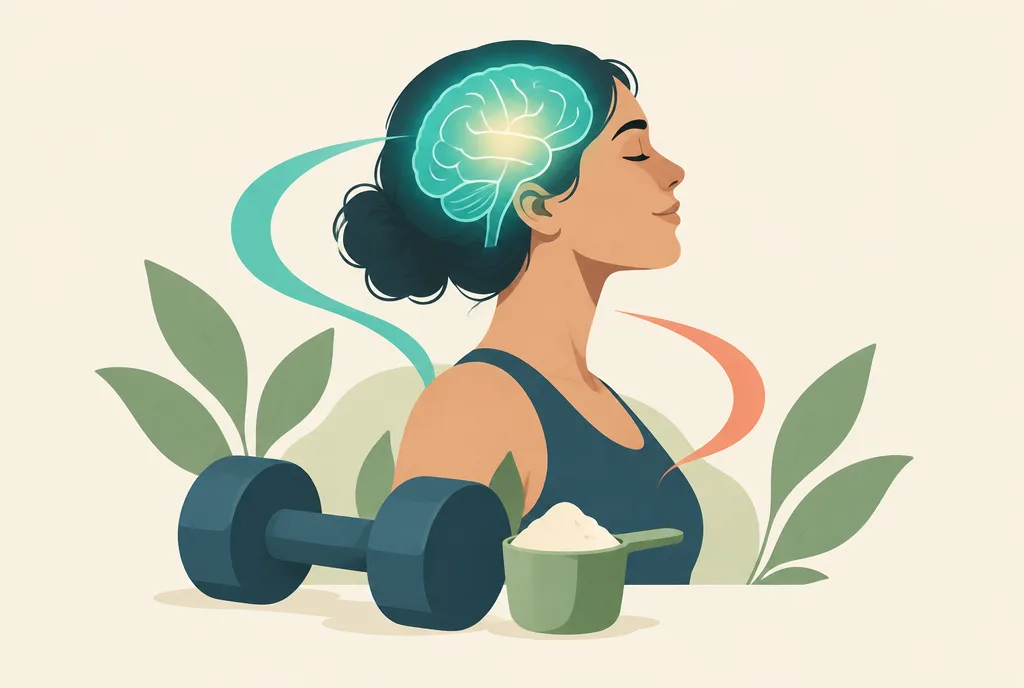
Creatine Is Not Just for Bodybuilders — What the Research Says About Your Brain
The most evidence-backed sports supplement also shows early, promising effects on memory and mood in some studies. Here's what the research says.
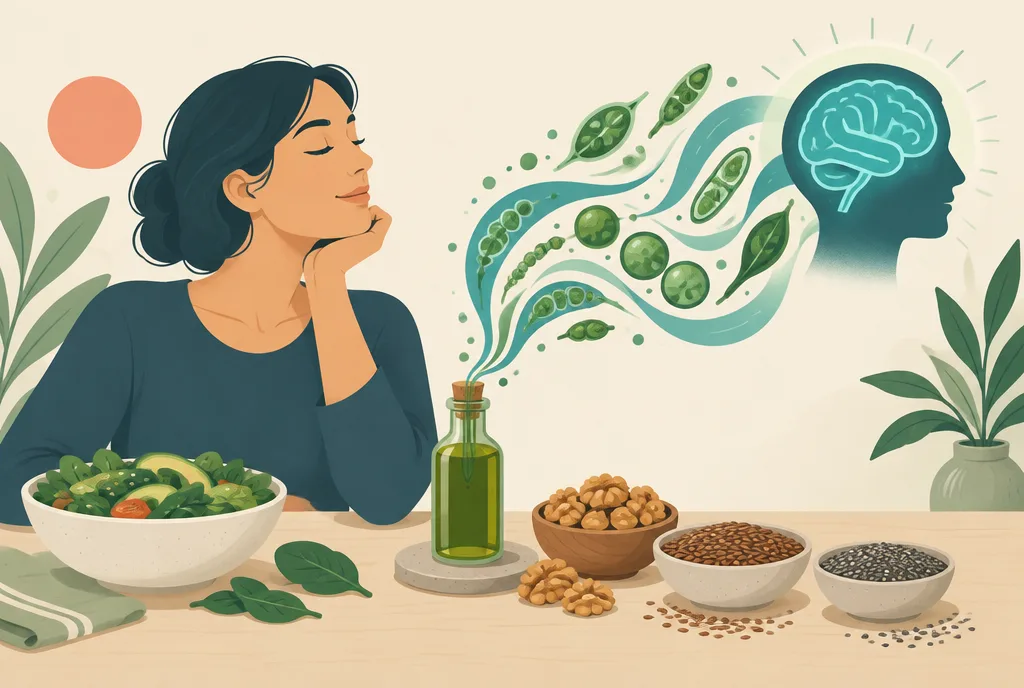
Omega-3 for Vegans and Vegetarians: The Complete Algae Oil Guide
Fish don't actually make omega-3 — they get it from algae. Here's why algae oil is a practical choice for plant-based eaters.
Want personalized recommendations based on the latest research?
Take the free quizTwo new articles a week, straight to your inbox.
Evidence-graded supplement science, plainly explained — plus the occasional note when something worth knowing lands in the app. Includes occasional sponsored messages from brands, clearly labeled. No spam, unsubscribe in one click.