
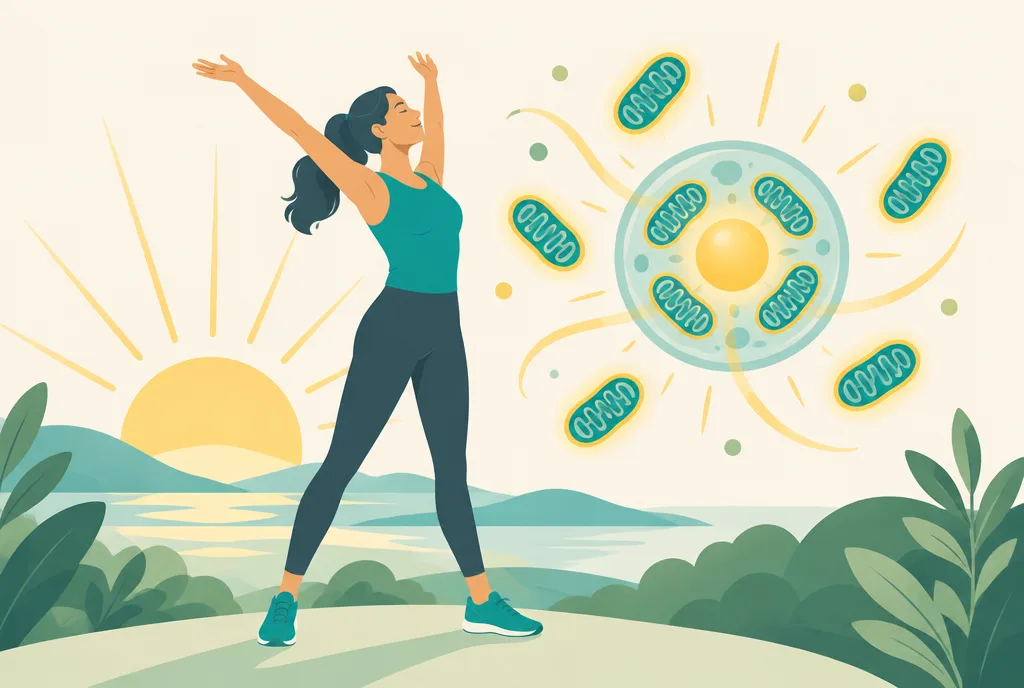
Why You Are Tired: The Root Causes Matter
Before reaching for an energy supplement, it is worth understanding why you are fatigued. Real, sustained cellular energy comes from mitochondria converting nutrients into ATP — and several deficiencies can impair that process significantly.
The most evidence-backed energy supplements work by addressing root causes: fixing deficiencies, supporting mitochondrial function, or reducing fatigue drivers like cortisol dysregulation. Stimulants like high-dose caffeine create energy by borrowing from tomorrow. The supplements below create energy by fixing the underlying machinery.
Take the free supplement quiz →
---
1. Vitamin B12 — The Most Overlooked Energy Nutrient
B12 is essential for red blood cell formation, DNA synthesis, and neurological function. Deficiency causes megaloblastic anemia — red blood cells too large to circulate efficiently — and profound fatigue. It is often missed because symptoms develop slowly and blood tests can look normal while tissue-level deficiency exists; a 2019 systematic review found up to 86% of vegans had inadequate B12 levels.
- At risk: vegans and vegetarians (B12 is found almost exclusively in animal products), people over 50, and anyone on metformin or proton pump inhibitors.
- Form matters: methylcobalamin is better absorbed and retained than cyanocobalamin, and particularly important for MTHFR gene variants.
- Dose: 1,000–2,000 mcg/day to correct deficiency; 250–500 mcg/day for maintenance.
2. Vitamin D3 — The Hormone That Powers Energy
Vitamin D3 functions more like a hormone than a vitamin, influencing over 200 genes — including several involved in mitochondrial function and muscle energy production. Low vitamin D is one of the most consistent findings in chronic fatigue: a 2016 randomized controlled trial found supplementation significantly improved fatigue scores in deficient people; a 2018 meta-analysis echoed improved energy across multiple studies. Over 70% of adults in the developed world have insufficient levels — indoor lifestyles, sunscreen, and northern latitudes all reduce synthesis.
Dose: 2,000–4,000 IU/day of D3 for most adults. Test your 25(OH)D if possible — aim for 40–60 ng/mL.
3. Iron — The Oxygen Carrier
Iron is central to hemoglobin, which carries oxygen in red blood cells. Without enough, oxygen delivery is compromised — causing the characteristic fatigue, weakness, and exercise intolerance of iron deficiency anemia. It is the most common nutritional deficiency worldwide, particularly affecting premenopausal women, endurance athletes, vegetarians and vegans (non-heme iron absorbs at 2–20% vs. 15–35% for heme), and people with celiac disease or IBD.
Important: confirm with a blood test (serum ferritin plus transferrin saturation) before supplementing — too much iron is pro-oxidant and harmful. If low, ferrous bisglycinate (gentle iron) is better absorbed and causes far less GI distress than ferrous sulfate.
4. Magnesium — The ATP Cofactor
ATP — the cell's energy currency — must be bound to magnesium to be active, so every ATP-dependent reaction in the body requires it. Deficiency impairs energy production at the cellular level, and studies suggest 68% of Americans do not meet their daily requirement. Common symptoms: fatigue, muscle cramps, poor sleep, anxiety. Magnesium also regulates cortisol — the stress hormone that drives fatigue by disrupting sleep architecture.
Dose: 300–400 mg elemental magnesium/day. Magnesium malate — bound to malic acid, a citric acid cycle intermediate — is particularly well-suited for energy and muscle fatigue.
5. CoQ10 (Ubiquinol) — The Mitochondrial Spark Plug
CoQ10 sits in the inner mitochondrial membrane, playing an essential role in the electron transport chain, which generates the vast majority of cellular ATP. Synthesis declines significantly with age, statins deplete CoQ10 via the same pathway they block cholesterol, and a 2017 meta-analysis found supplementation significantly reduced fatigue scores in chronic fatigue syndrome and fibromyalgia.
Dose: 100–300 mg/day of ubiquinol — the reduced, active form, better absorbed than ubiquinone over 40 — with a fat-containing meal.
6. Ashwagandha (KSM-66) — The Anti-Fatigue Adaptogen
Rather than fixing a deficiency, ashwagandha modulates the stress response. Multiple RCTs show KSM-66 significantly reduces perceived fatigue and stress, cortisol levels (by 20–30%), and exercise-induced muscle damage. A 2021 study found 600 mg/day improved cardiorespiratory endurance, muscle recovery, and self-reported energy versus placebo. Chronic stress creates a cycle — elevated cortisol impairs sleep, disrupts blood sugar, and depletes magnesium — and ashwagandha helps break it.
Dose: 300–600 mg/day of KSM-66 extract. Cycle 8–12 weeks on, 4 weeks off.
---
How to Choose What Is Right for You
The best energy supplement depends entirely on your root cause:
- Dietary gap (vegan, vegetarian, restricted eating): B12, iron, and vitamin D are likely priorities
- Chronic stress and burnout: ashwagandha plus magnesium
- Age-related decline: CoQ10 plus vitamin D
- Exercise-related fatigue: iron (especially for women), magnesium, creatine
What Does Not Work (Despite the Marketing)
High-dose B vitamins in people who are not deficient produce very expensive urine — no evidence shows mega doses enhance energy at normal levels. Ginseng has mixed evidence at best; the few positive studies used standardized extracts most commercial products do not match. Proprietary energy blends usually contain caffeine and B vitamins at undisclosed doses — if caffeine works for you, just drink coffee. It is cheaper and transparent.
The foundation of sustainable energy remains adequate sleep, balanced blood sugar, regular movement, and addressing deficiencies. Supplements are the final layer — highly effective when targeted, useless when misdirected. Consult a healthcare provider before supplementing, particularly for iron.